Delhi High Court on Hate Speech and Political Rallies
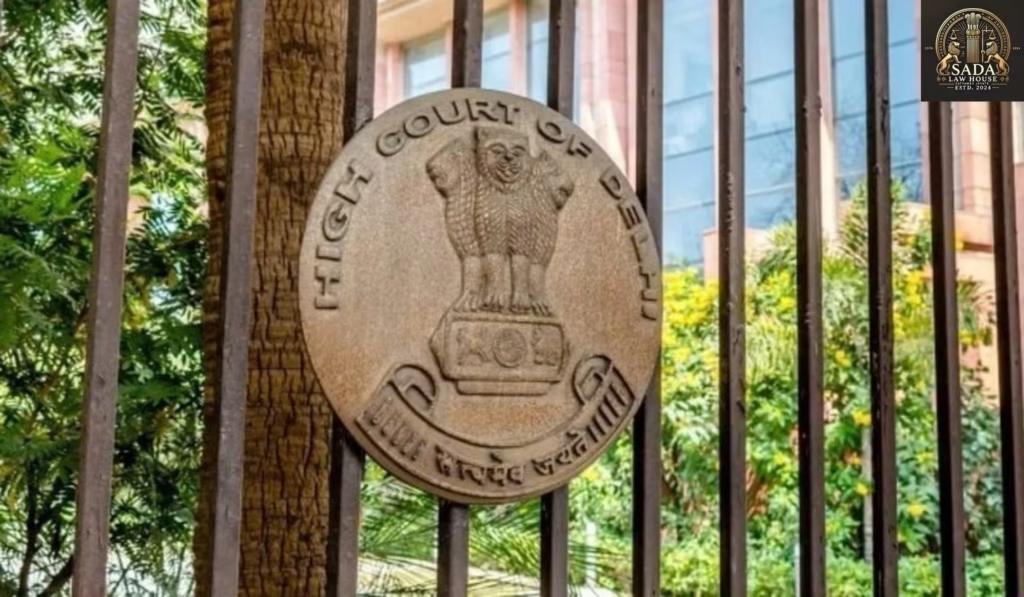
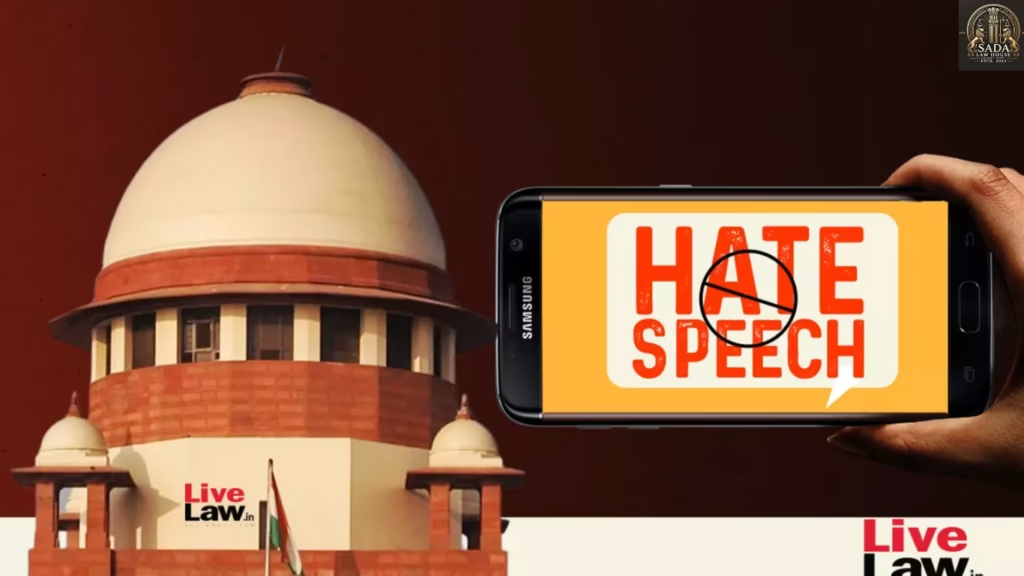
Trending Today Delhi High Court on Hate Speech and Political Rallies Jaish Admits: Masood Azhar Masterminded Parliament & 26/11 Attacks EU Unveils New Strategic Agenda to Deepen Prosperity, Security Ties with India Owaisi Blasts Assam BJP’s AI Video: ‘Muslims Seen as Problem, Dream of Muslim-Mukt Bharat’ Delhi High Court Paves Way for Demolition of Unsafe Signature View Apartments Built for 2010 CWG Delhi High Court Rejects Bail Plea of Man Accused of Raping Minor Daughter ‘SEC has failed to take prompt action’: Supreme Court orders Maharashtra to hold local body polls by January 2026 Punjab & Haryana High Court Pulls Up Ex-Judge Alok Singh for Unjust Remarks Against Judicial Officer Gujarat High Court on Senior Advocates: Minimum 45 Years for Designation, Mandatory Mentorship for Young Lawyers LEGAL JOB OPPORTUNITY AT CHAMBERS OF DHRUV TOLIYA Delhi High Court on Hate Speech and Political Rallies Shristi Singh 20 September 2025 Introduction On 19 September 2025, the Delhi High Court delivered a landmark judgment on hate speech in political rallies, underscoring that freedom of speech under Article 19(1)(a) is not absolute. The Court strongly criticized political leaders for using divisive language during election campaigns, holding that such speech cannot extend to promoting hatred, violence, or discrimination. The ruling came in response to petitions filed after viral videos showed political leaders allegedly targeting specific religious groups in August 2025. Background of the Case Petitions were filed by civil rights activists and NGOs after hate-filled political speeches circulated widely on social media. The speeches allegedly contained derogatory remarks against minorities and were accused of inciting communal violence. Petitioners invoked Sections 153A, 295A, and 505 of the IPC for promoting enmity, outraging religious feelings, and public mischief. Both the Election Commission of India (ECI) and Delhi Police were made parties for failing to curb hate speech during the campaign season. Legal Issues Raised Whether hate speech in political rallies violates Article 19(1)(a) or falls under restrictions under Article 19(2). Whether such speech infringes Article 21 (Right to Life and Dignity) of targeted communities. The extent of responsibility of ECI and Delhi Police in preventing hate speech. Whether accused political leaders should face immediate prosecution and electoral bans. Arguments Petitioners Politicians were spreading communal hatred, threatening peace and harmony. Hate speech violates Articles 14, 15, and 21, as well as IPC provisions. Cited Pravasi Bhalai Sangathan v. Union of India (2014) where the Supreme Court condemned hate speech. Demanded FIRs, bans from campaigning, and stricter ECI rules. Respondents (ECI, Police, Politicians) ECI: Claimed it had already issued notices and temporary bans. Delhi Police: Said FIRs were under review, sought more time for investigation. Politicians: Claimed political vendetta, argued speeches were taken out of context, and invoked free speech protections. Judgment of the Delhi High Court Held that hate speech is not protected free speech. Article 19(2) allows reasonable restrictions for public order, morality, and state security. Directed Delhi Police to register FIRs within 24 hours and submit monthly progress reports. Criticized ECI’s “casual” approach, ordering it to frame stricter campaign guidelines within 3 months. Recommended repeat offenders face a 6-year election ban, subject to Parliament’s approval. Suggested real-time monitoring of political speeches using AI and social media surveillance. Significance of the Case Reinforces that hate speech ≠ free speech. Strengthens accountability of politicians, ECI, and police. Sets precedent for swift FIRs and legal action against inflammatory campaigns. Encourages use of technology to regulate and track hate speech in real-time. Conclusion The Delhi High Court’s 19 September 2025 ruling sends a clear message: political power cannot be misused to incite communal hatred. By holding leaders, the Election Commission, and law enforcement accountable, the Court has sought to safeguard India’s secular values and democratic integrity. If enforced properly, this judgment could transform political discourse, discouraging divisive speeches and ensuring a more responsible electoral process. Leave a Reply Cancel Reply Logged in as Sada Law. Edit your profile. Log out? Required fields are marked * Message* Live Cases Delhi High Court on Hate Speech and Political Rallies Sada Law • September 20, 2025 • Live cases • No Comments Jaish Admits: Masood Azhar Masterminded Parliament & 26/11 Attacks Sada Law • September 19, 2025 • Live cases • No Comments EU Unveils New Strategic Agenda to Deepen Prosperity, Security Ties with India Sada Law • September 19, 2025 • Live cases • No Comments 1 2 3 … 5 Next »
Delhi High Court on Hate Speech and Political Rallies Read More »